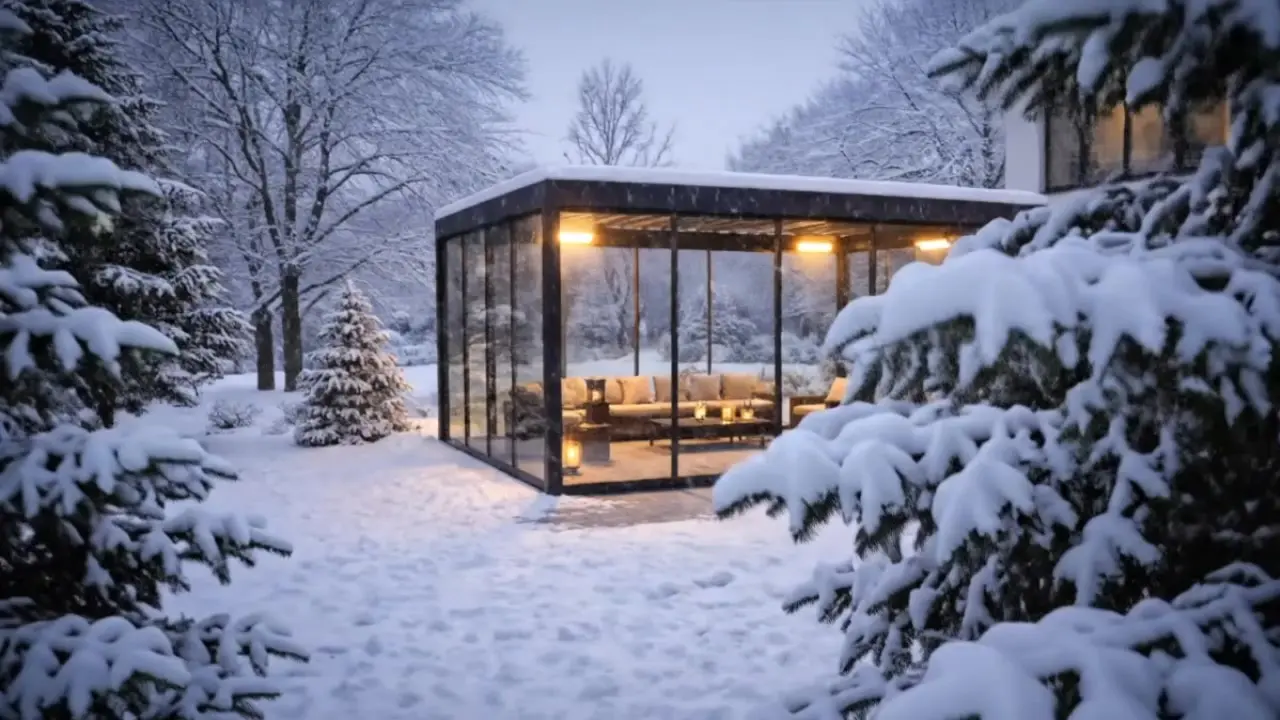
Calculul Sarcinii Vântului pentru Pergole: EN 1991-1-4 pentru Sisteme Bioclimatice din Aluminiu.
O pergolă bioclimatică nu este mobilier de grădină — este o structură exterioară cu sarcini cuantificabile. Oricine instalează sau specifică un sistem cu jaluzele în Europa trebuie să înțeleagă calculul sarcinii vântului conform EN 1991-1-4.
O pergolă bioclimatică nu este mobilier de grădină — este o structură exterioară cu sarcini cuantificabile. Oricine instalează sau specifică un sistem cu acoperiș lamelat în Europa trebuie să stăpânească calculul sarcinii vântului conform EN 1991-1-4 și să știe ce trebuie să demonstreze un sistem conform normei. Acest ghid acoperă baza de calcul, zonele de vânt europene și documentele obligatorii.
---
De ce se aplică EN 1991
Eurocodul EN 1991 „Acțiuni asupra structurilor” este obligatoriu în toată Europa din 2013 pentru structurile permanente. Partea 1-4 reglementează acțiunile vântului. Pergolele bioclimatice, ca structuri portante instalate permanent, intră în domeniul său de aplicare — indiferent dacă necesită sau nu autorizație de construire.
Producătorul unui sistem pergolă trebuie să demonstreze că structura suportă sarcinile de vânt din zona de vânt relevantă. Fără această demonstrație, răspunderea pentru daune revine instalatorului.
---
Zone de vânt în Europa
Fiecare țară europeană aplică EN 1991-1-4 cu un anex național care definește viteza de bază a vântului pe zone. România se încadrează preponderent în zone cu viteze de referință între 30 și 45 m/s conform CR 1-1-4/2012 (cod național de evaluare a acțiunilor vântului), valorile cele mai ridicate înregistrându-se pe Carpații Meridionali și în Dobrogea.
| Zonă | Viteza de referință vb,0 | Regiuni tipice | |---|---|---| | A | 30 m/s | Câmpia de Vest, zone interne adăpostite | | B | 35 m/s | Câmpia Română, Moldova, Muntenia | | C | 40 m/s | Dobrogea, platouri montane expuse | | Special | 45 m/s | Creste carpatice, zone de creasta |
---
Etape de calcul conform EN 1991-1-4
Etapa 1: Presiunea de vârf a vitezei vântului
Presiunea de vârf qp(z) depinde de zona de vânt, categoria terenului și înălțimea față de sol. Pentru o pergolă independentă la 3 m înălțime în categoria de teren II (teren deschis), qp ≈ 0,70–1,20 kN/m² în funcție de zonă.
Etapa 2: Coeficienți de forță
Pentru copertine independente (EN 1991-1-4 Anexa B), coeficienții de forță cf depind de înclinarea acoperișului, starea de închidere a lamelelor și geometria. Un acoperiș lamelat în poziție închisă se comportă ca o copertină solidă (cf ≈ 1,3–1,8 în funcție de expunere).
Etapa 3: Forța totală a vântului
Fw = cf · qp(z) · Aref
Pentru o pergolă 4 × 5 m (20 m² suprafață) în zona B cu cf = 1,5 și qp = 0,90 kN/m², forța orizontală de calcul a vântului este de aproximativ 27 kN pe întregul sistem.
Etapa 4: Ancore de fundație și conexiuni la stâlpi
Forța de vânt calculată se distribuie pe conexiunile la stâlpi și pe ancorele de fundație. Cu patru stâlpi și un moment încovoietor de aproximativ 6,8 kN per stâlp, placa de bază și ancora trebuie dimensionate corespunzător.
---
Lamele deschise vs. închise
Lamele închise (0°): Acoperișul acționează ca o suprafață solidă — cazul de sarcină determinant pentru dimensionarea structurală.
Lamele deschise (90°): Vântul trece în mare parte prin ele; sarcina efectivă a vântului se reduce la aproximativ 20–30% din valoarea maximă.
Recomandare la furtună: La viteze ale vântului peste 80 km/h se recomandă deschiderea lamelelor pentru a reduce profilul de atac al vântului. Sistemele motorizate cu anemometru pot automatiza această operațiune.
---
Sarcina zăpezii: EN 1991-1-3
Paralel cu sarcina vântului, pentru pergolele amplasate în zone cu precipitații nivale, trebuie considerată sarcina zăpezii conform EN 1991-1-3. În România, sarcina caracteristică a zăpezii la sol variază de la 1,0 kN/m² în Câmpia Română la peste 4,0 kN/m² în zonele montane (conform CR 1-1-3/2012).
Pentru acoperișuri lamelare cu scurgere integrată: cu lamelele complet deschise zăpada nu se poate acumula; cu lamelele închise se aplică valoarea integrală a sarcinii zăpezii.
---
Documente necesare pentru un sistem conform
1. Calcul de rezistență — întocmit de un inginer structural atestat, pentru zonele maxime de vânt și zăpadă aplicabile 2. Fișă tehnică — secțiuni transversale ale profilelor, grosimi de perete, aliaj și stare de tratament termic 3. Plan de montaj — tipul de ancoraj, adâncimea de încastrare, momentul de strângere 4. Marcaj CE sau Declarație de Performanță — acolo unde sistemul intră în domeniul de aplicare al EN 1090
Sistemele PONARC sunt livrate cu documentație structurală pentru principalele zone de vânt europene. Pentru zone expuse și amplasamente specifice se recomandă un calcul de specialitate.
---
*Documentația structurală pentru sistemele PONARC este disponibilă prin dealerii autorizați PONARC: ponarc.com/ro/planificare*
Verificări de proiect înainte de specificare
Pentru o ofertă LuxaShade corectă, corelează tema articolului cu condițiile reale din șantier înainte de alegerea gamei.
- Verifică deschiderea, suprafața de fixare, drenajul și expunerea la vânt a zonei.
- Compară pergola, zip screenul, veranda, carportul și balustrada pe aceleași dimensiuni.
- Trimite fotografii, măsurători orientative și culoarea dorită pentru direcționarea către sistemul potrivit.
Folosește paginile de produs pentru detalii și contactează LuxaShade pentru verificarea proiectului.
Explorează gama noastră sau contactează-ne.